
Which Type of Sarees Are The Comfortable For Daily Wear?

Today, I was exploring saree styles worn by some popular celebrities, and it made me realize how timeless sarees truly are. From traditional roots to modern fashion, sarees have always been an essential part of Indian culture. However, unlike earlier times, we now have a wide variety of fabrics beyond just silk and cotton.
With so many options available, choosing the right saree for daily wear can feel confusing. That’s why I decided to simplify things and share some of the best saree fabrics that are comfortable and practical for everyday use.
Which Saree Material is Best for Daily Use?
For daily wear, lightweight, breathable, and easy-to-manage fabrics are the best choice. Sarees made from cotton, chiffon, georgette, and similar light materials are ideal because they offer comfort and flexibility throughout the day.
Before diving deeper, let’s understand what qualities make a saree fabric suitable for everyday wear.
Before I inform you seriously concerning the best saree material for everyday use, we should check out at the attributes of the best saree textures.
Qualities of Best Saree Fabrics for Everyday Use
Table of Contents
- Which Saree Material is Best for Daily Use?
- Qualities of Best Saree Fabrics for Everyday Use
- 1. Pleats
- 2. Moderately Thin Fabric
- 3. Perfect Fit
- Most Recent Daily Use Sarees
- 1. Cotton
- 2. Georgette
- 3. Blended Sarees
- 4. Linen
- 5. Tant Saree
- 6. Chiffon
- Best Saree Materials for Daily Use in Summer
- 1. Cotton
- 2. Crepe
- 3. Linen
- Best Saree Material for Wedding
- 1. Silk Sarees
- 2. Kota Sarees
- 3. Net Sarees
- Which Saree Material is Best for Daily Use for Fat Ladies?
Choosing the right saree becomes easier when you know what features to look for. A good daily wear saree should be comfortable enough that you don’t have to constantly adjust or worry about it during your day.
In my opinion, the best fabrics should be lightweight, easy to drape, breathable, and well-balanced in thickness.
1. Easy Pleating
Since sarees are unstitched garments, proper draping is essential for a neat look. Pleating plays a major role in how a saree appears.
Fabrics like soft silk and georgette hold pleats well and are easy to manage. On the other hand, very stiff fabrics like organza or extremely soft ones like chiffon can sometimes make pleating difficult.
2. Balanced Fabric Thickness
Heavy fabrics such as wool or thick materials can make draping uncomfortable and may cause excessive sweating, especially in warm weather. They can also add bulk to your appearance.
On the other hand, extremely sheer fabrics like net can cling too much to the body. The ideal saree fabric should be neither too thick nor too thin—just balanced enough for comfort and elegance.
3. Proper Fit and Draping
The beauty of a saree lies in how well it is draped. Fabrics like cotton and crepe naturally enhance your silhouette and provide a graceful fit.
However, materials like tissue or art silk require extra care while draping, as improper styling can make the saree look bulky and less flattering.
Latest Trends in Daily Wear Sarees
Now that you understand the key qualities of comfortable saree fabrics, it’s time to explore the latest trending options for daily wear. From easy-going cotton sarees to stylish georgette drapes, there are plenty of options that combine comfort with everyday elegance.
If I had to list my top picks for daily wear sarees, these would definitely be among the best choices for a perfect blend of style and comfort.
1. Cotton
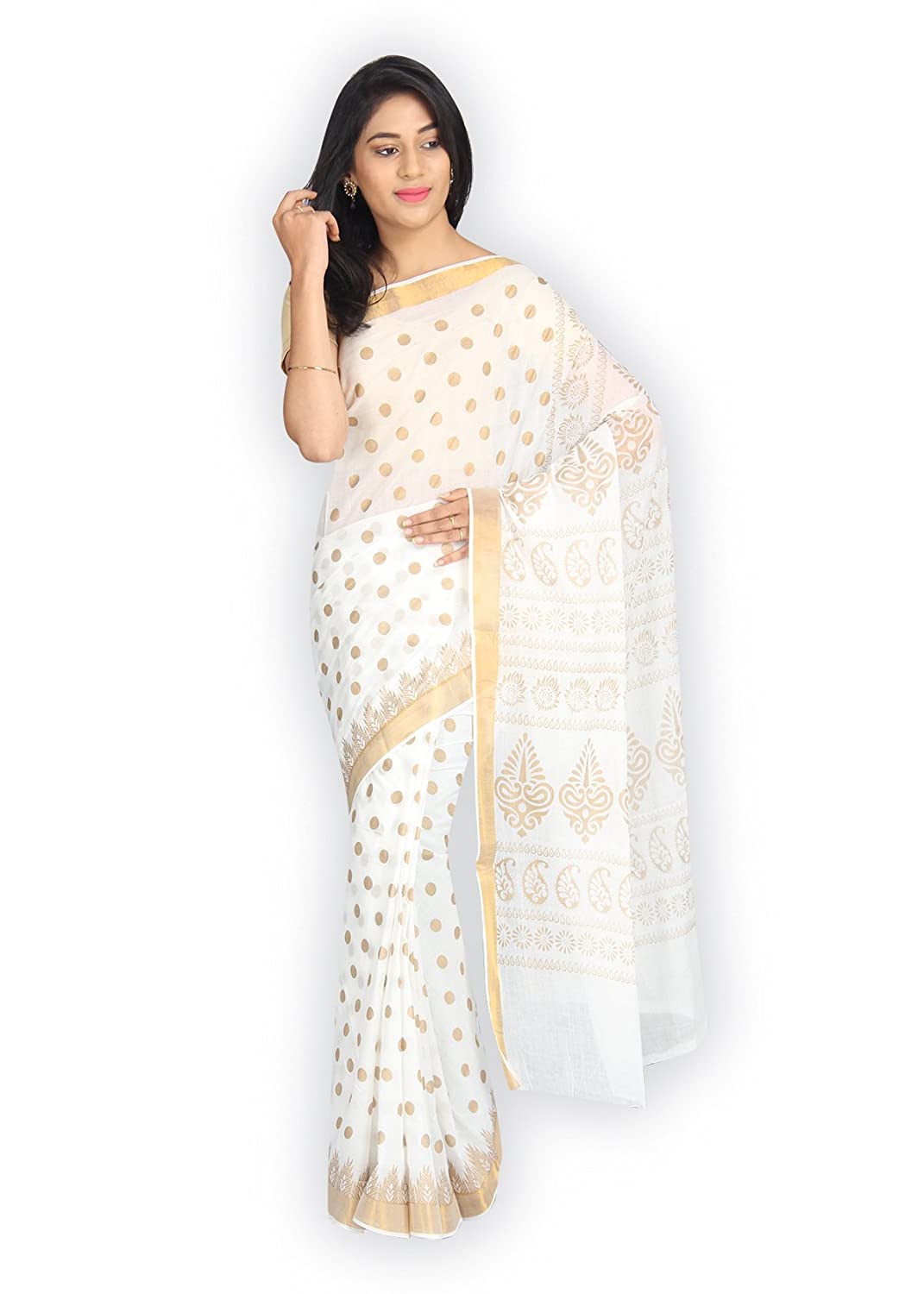
Cotton is my #1 material for everyday wear sarees and as formal clothing types and structures the best texture for plain saree. These sarees are the ideal combination of aery, reasonable, and perfectly foldable textures.
Albeit some cotton sarees might be extra-treated at first, and fresh creasing becomes troublesome with such sarees. Meager cotton sarees like the muslin ones stick impeccably onto your bends and add more to the ladylike class.
2. Georgette
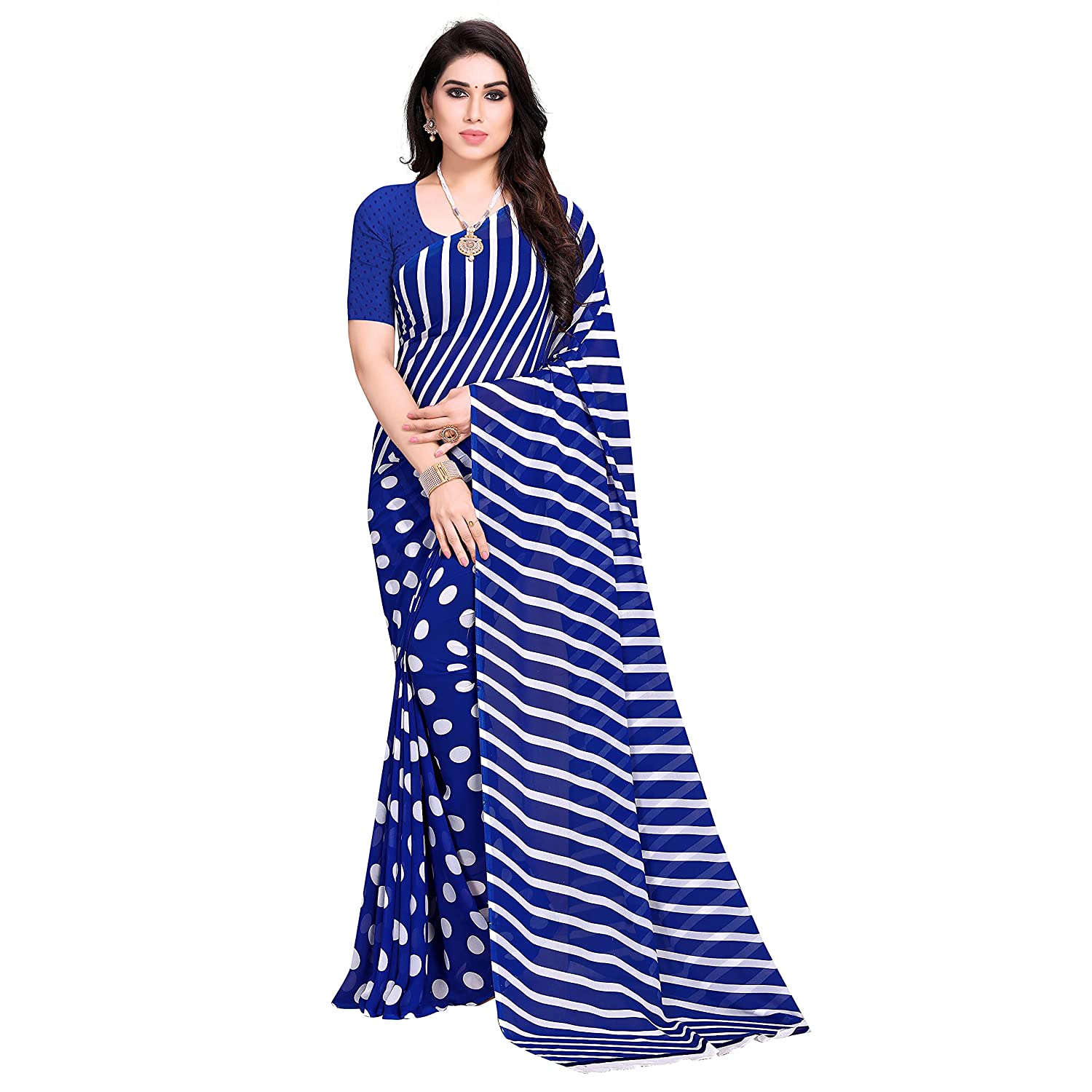
Georgette sarees are lightweight and effectively hanging. You can crease the vast majority of the silk yarn georgette and artificial georgette sarees. Georgette sarees arrive in a scope of plans and styles.
A portion of these sarees are ideally suited for day to day utilization, while the other planner pieces are incredible for wearing at weddings and gatherings.
3. Blended Sarees
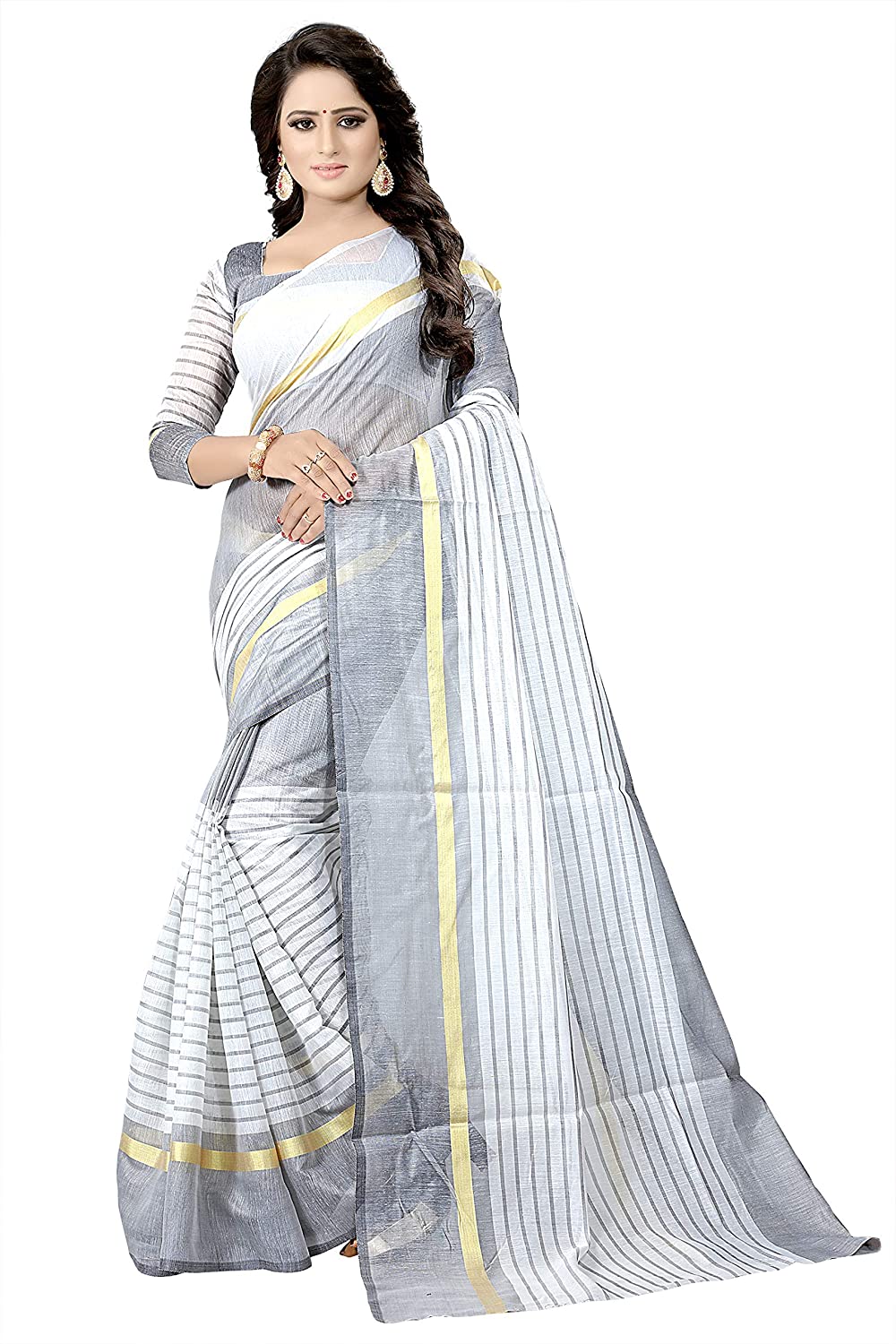
What else could be preferable over glossy silk and alleviating cotton! You get both of these highlights in a solitary mixed silk saree. Over certain years, I have seen these sarees acquiring huge prevalence. The one of a kind mix of exorbitant silk with cotton makes these valuable pieces reasonable for all.
Likewise, other imaginative mixes produce the best clothing types as the south silk saree. The blended assortments are not difficult to wrap as well as can be kept up with well and put away without any problem.
4. Linen
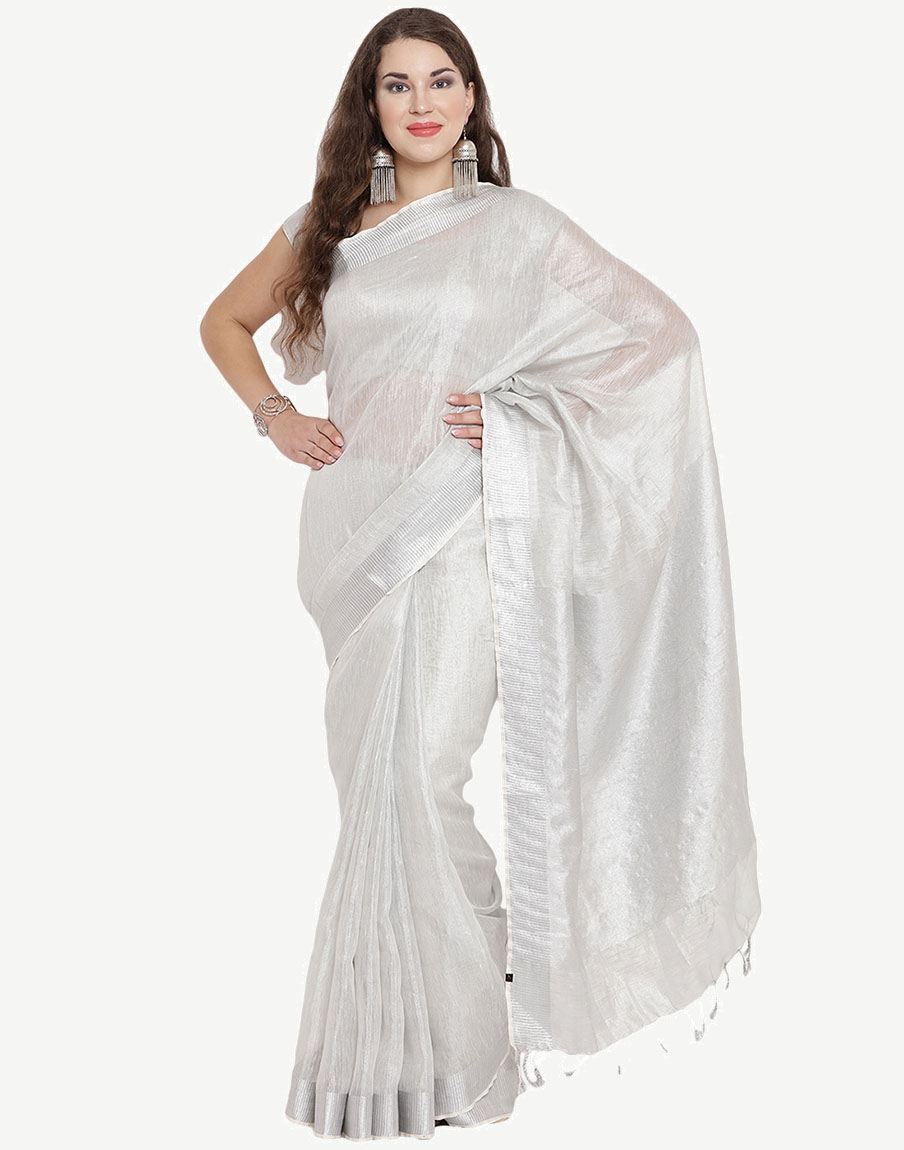
Material is one more lovely piece in my closet. You can't reject that the cloth sarees are incredibly in-pattern nowadays. I can ensure that you will succumb to the unparalleled breathability, solidness, and simple practicality of the material sarees.
Without a doubt, you can wear these lightweight sarees day to day without agonizing over dealing with the fall over the course of the day.
5. Tant Saree
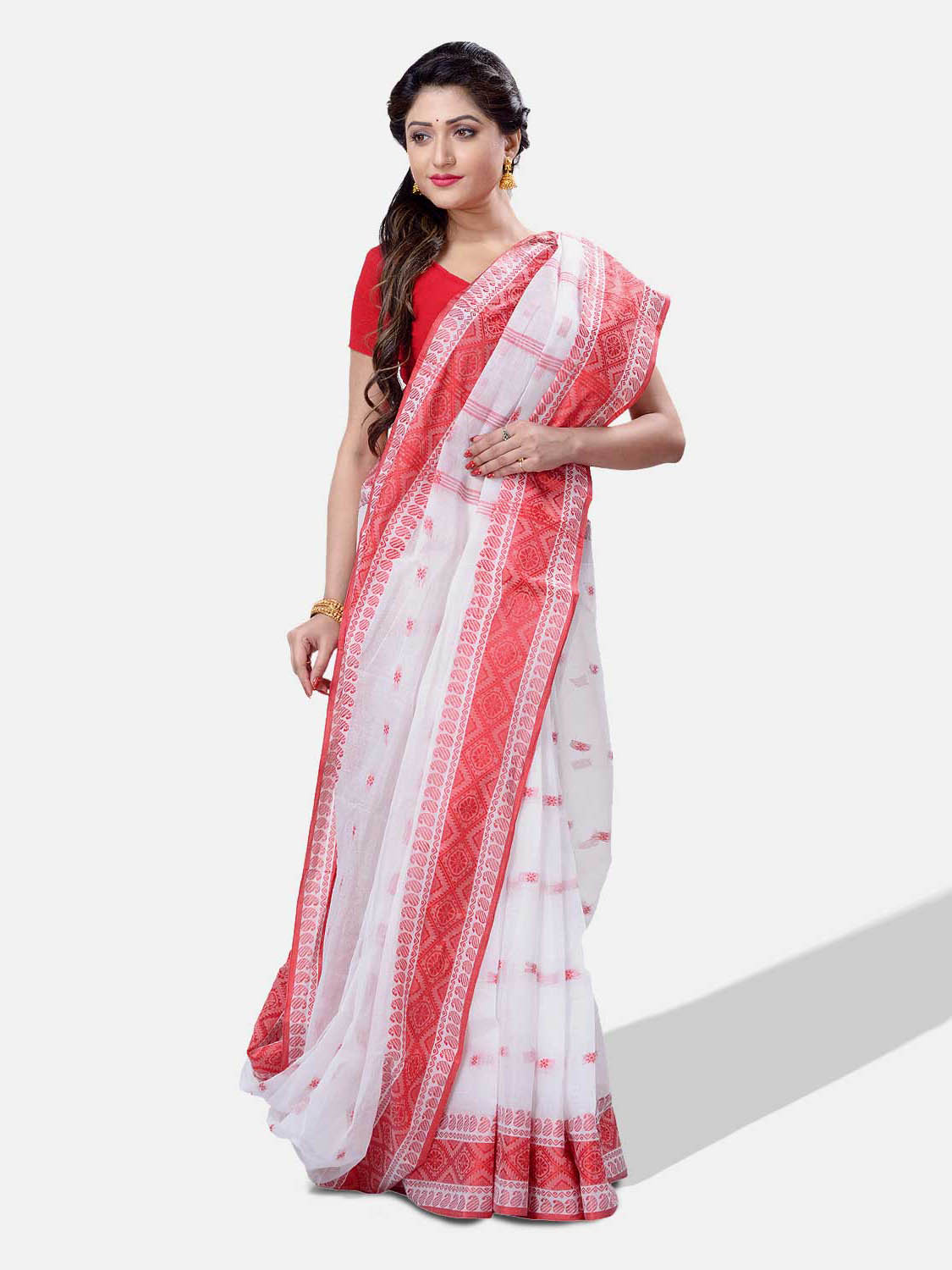
Tant is a Bengali saree which is famous for being lightweight. Aside from engaging, rich, and sober, Tant sarees are agreeable for day-long wearing. The conductive cotton texture is aery, effectively hanging, and holds the creases well. You can wear these agreeable sarees for day to day utilization, formal gatherings, and family social affairs.
6. Chiffon
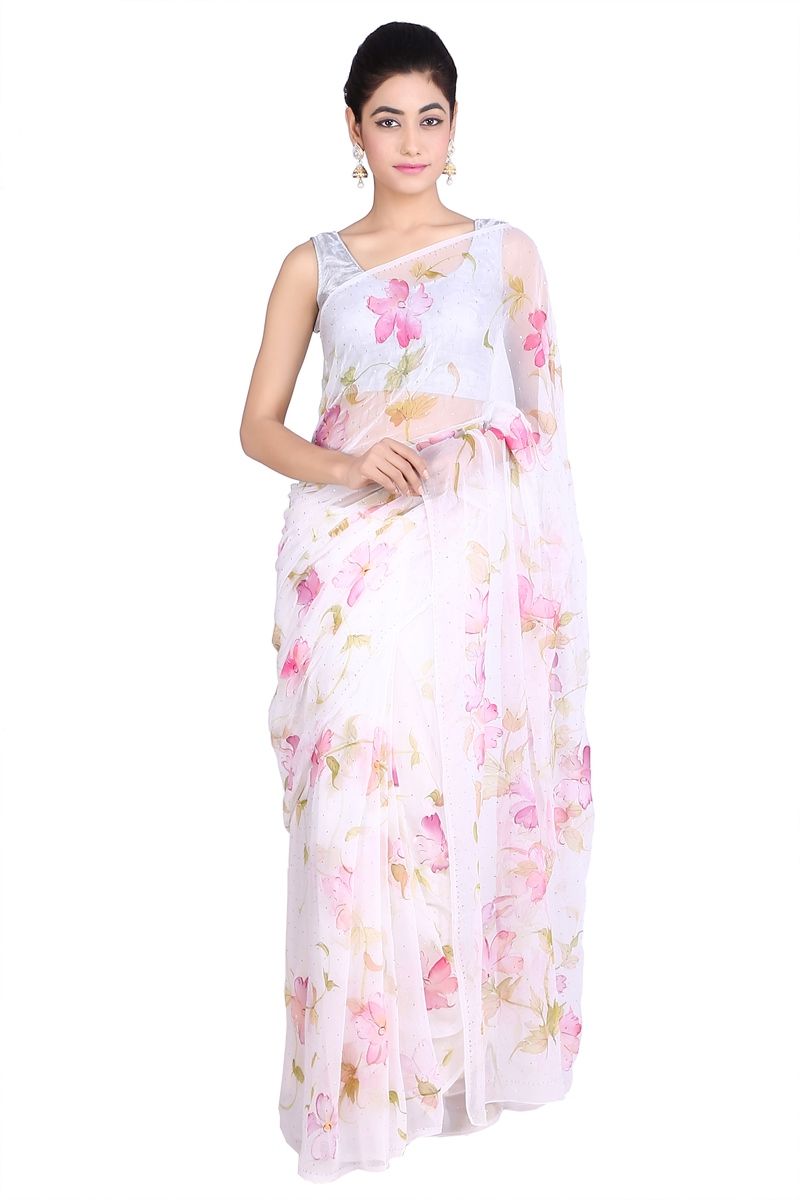
An everyday wear chiffon saree is delicate and lightweight. You can feel the somewhat harsh surface of chiffon sarees that is a result of contorted yarns. Aside from being agreeable for wearing day to day, the chiffon sarees are stretchy and tolerably meager textures yet can hold the creases pretty well.
Best Saree Materials for Daily Use in Summer
Who needs to perspire vigorously and feel choked out in their clothing types? I'm certain nobody! While picking saree material, you should give definite consideration to the climate, particularly throughout the late spring season.
The burning summer sun depletes your energy as of now, leaving you too drained to even think about dealing with a weighty and awkward saree all day long.
Curiously, some saree textures are really cool, vaporous, lightweight, and ideal for doing throughout the mid year season. The majority of these are everyday wear sarees under 1000. We should figure out additional about these materials.
1. Cotton
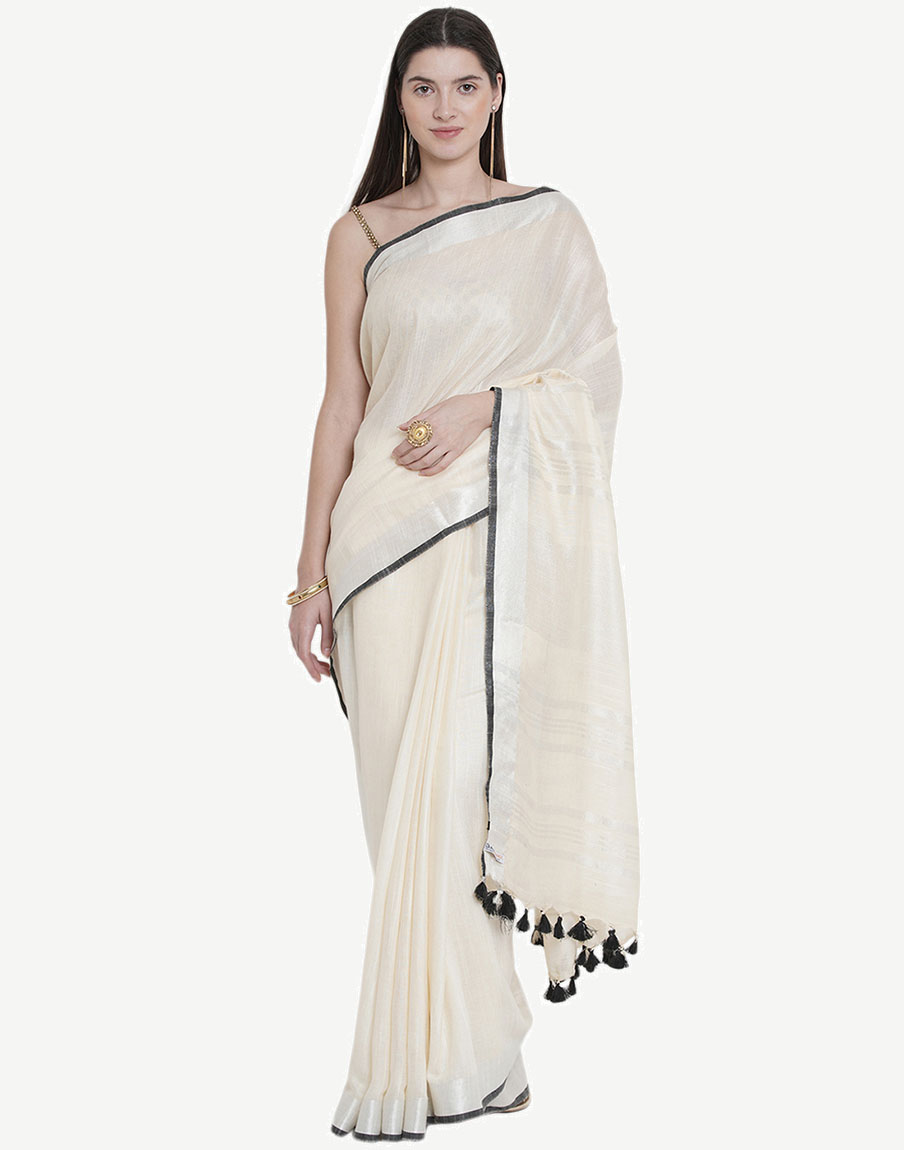
I won't ever be depleted of adulating such a lovely texture as cotton. Cotton makes the ideal summer texture. Unadulterated cotton Kota sarees are incredibly breathable and clutch the hanging proficiently. Being exceptionally conductive, the cotton sarees permit great ventilation, keeping you nearly cooler in the late spring heat.
2. Crepe
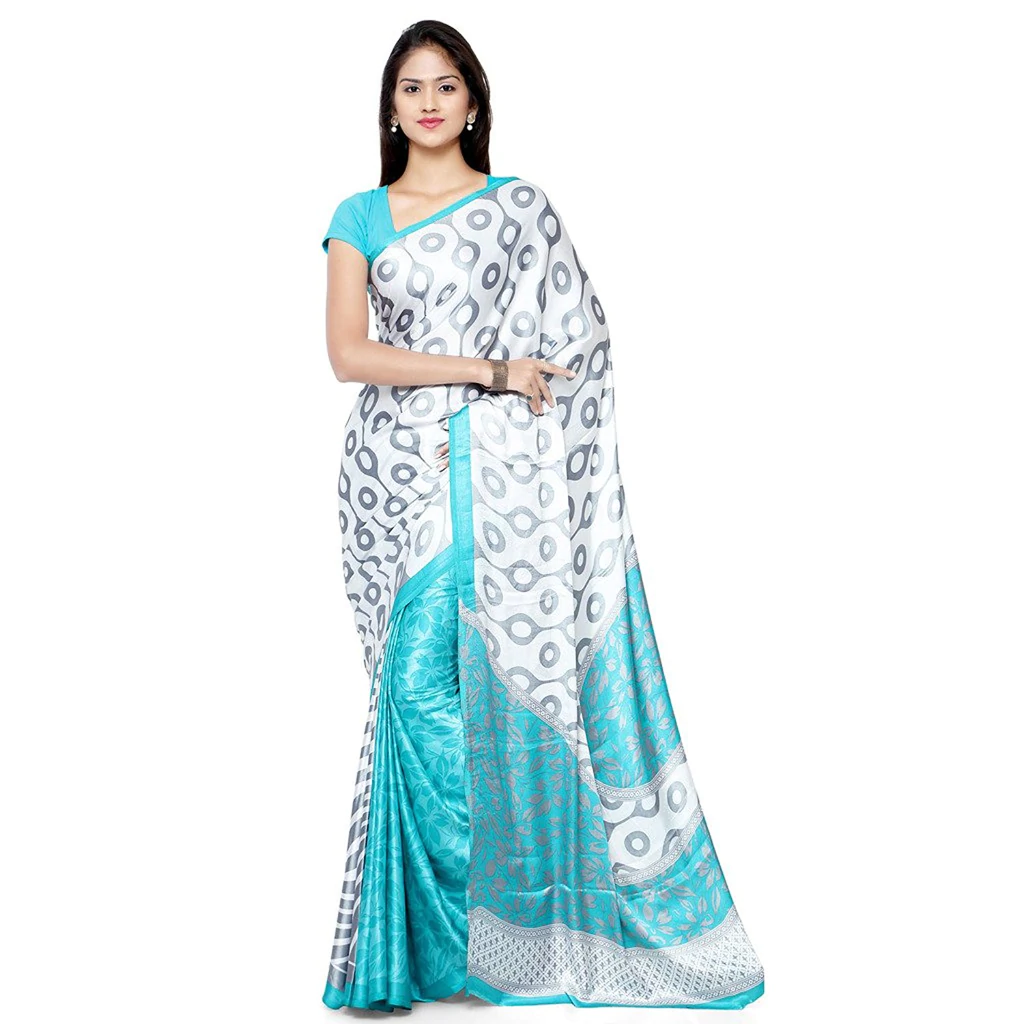
Crepe is another must-have summer texture in your closet. These sheer texture sarees give you a cutting edge bid while incorporating your class and keeping you cool day in and day out.
3. Linen
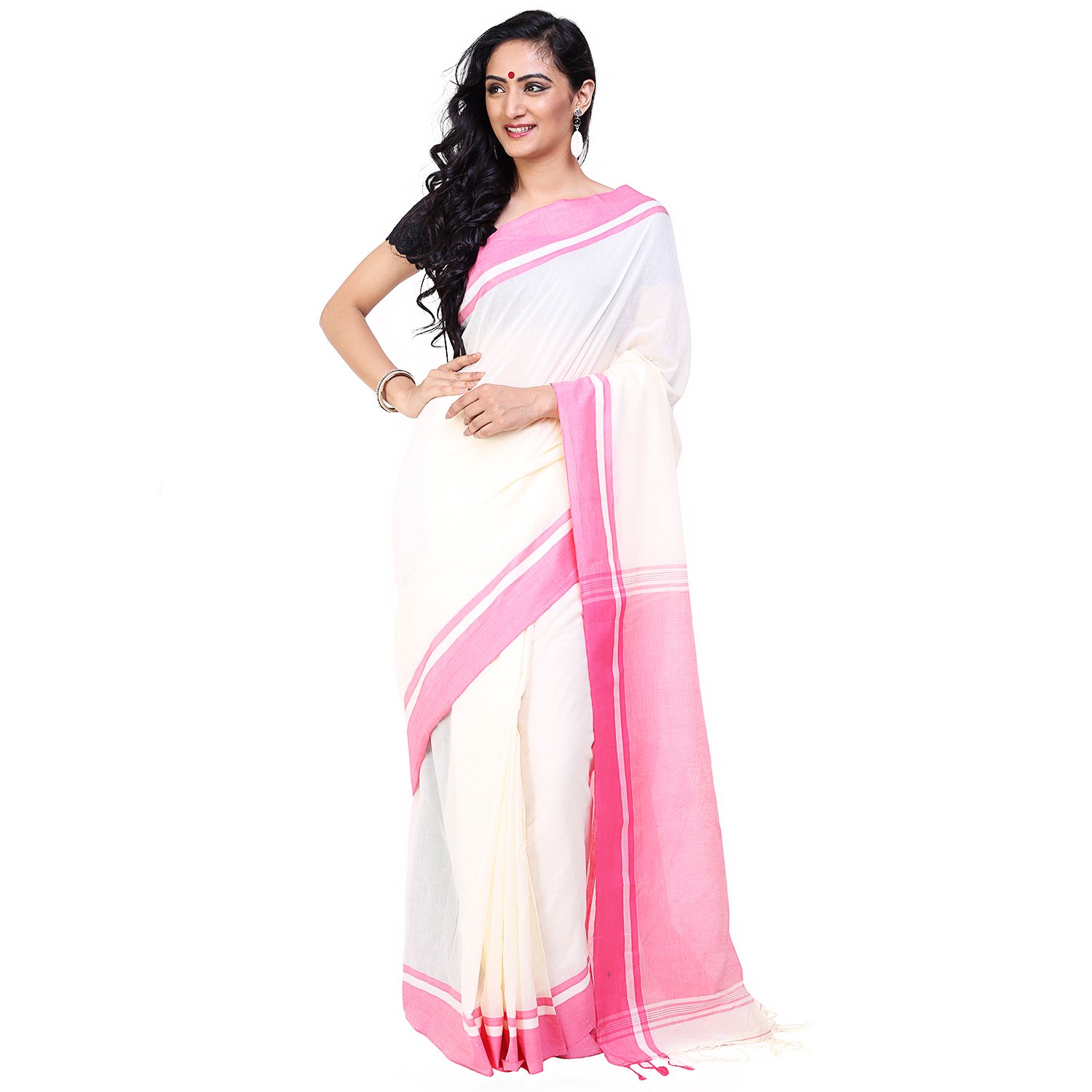
Similarly as the cotton sarees, the material sarees are ideally suited for venturing out in the late spring heat. The texture works inexplicably in keeping you circulated air through and cool for the whole working day.
Best Saree Material for Wedding
I feel that there is no rigid rule for making a saree material best for weddings and gatherings. It relies upon your capacity to effortlessly wrap, and convey the sarees. All things considered, I will enlighten you regarding the best saree material for weddings.
1. Silk Sarees
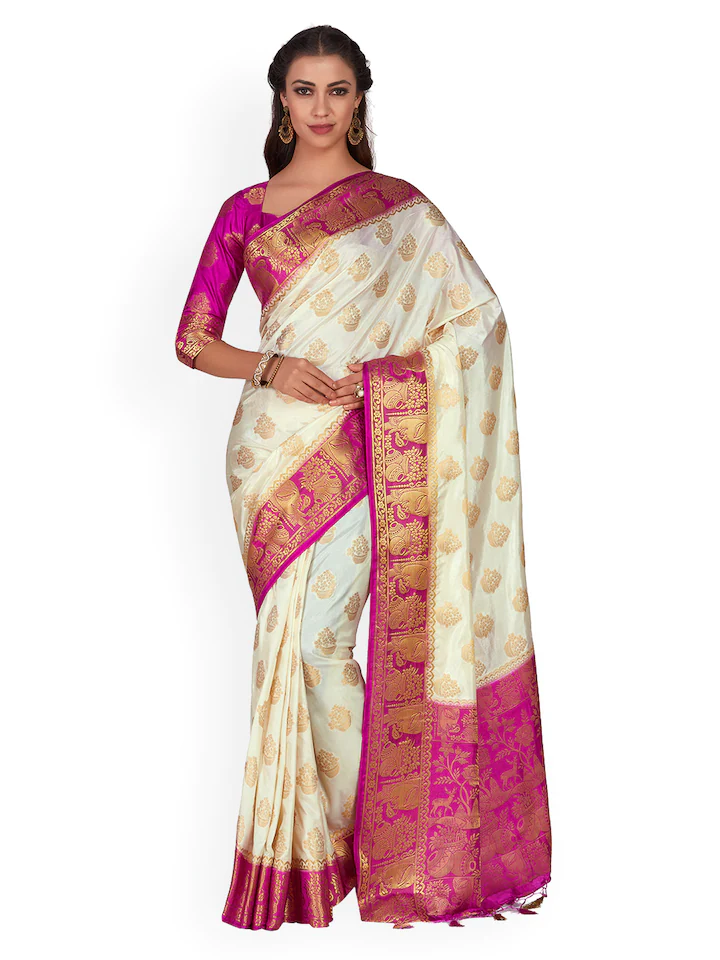
Delicate silk saree materials are the well-suited ones for weddings and gatherings. Customary saree names like Banarasi, Kanjivaram, and Chanderi sarees come at the tip of the tongue as framing the wedding works of art. Assuming you are an energetic saree sweetheart like me, you should possess one of these captivating sarees in your closet.
2. Kota Sarees
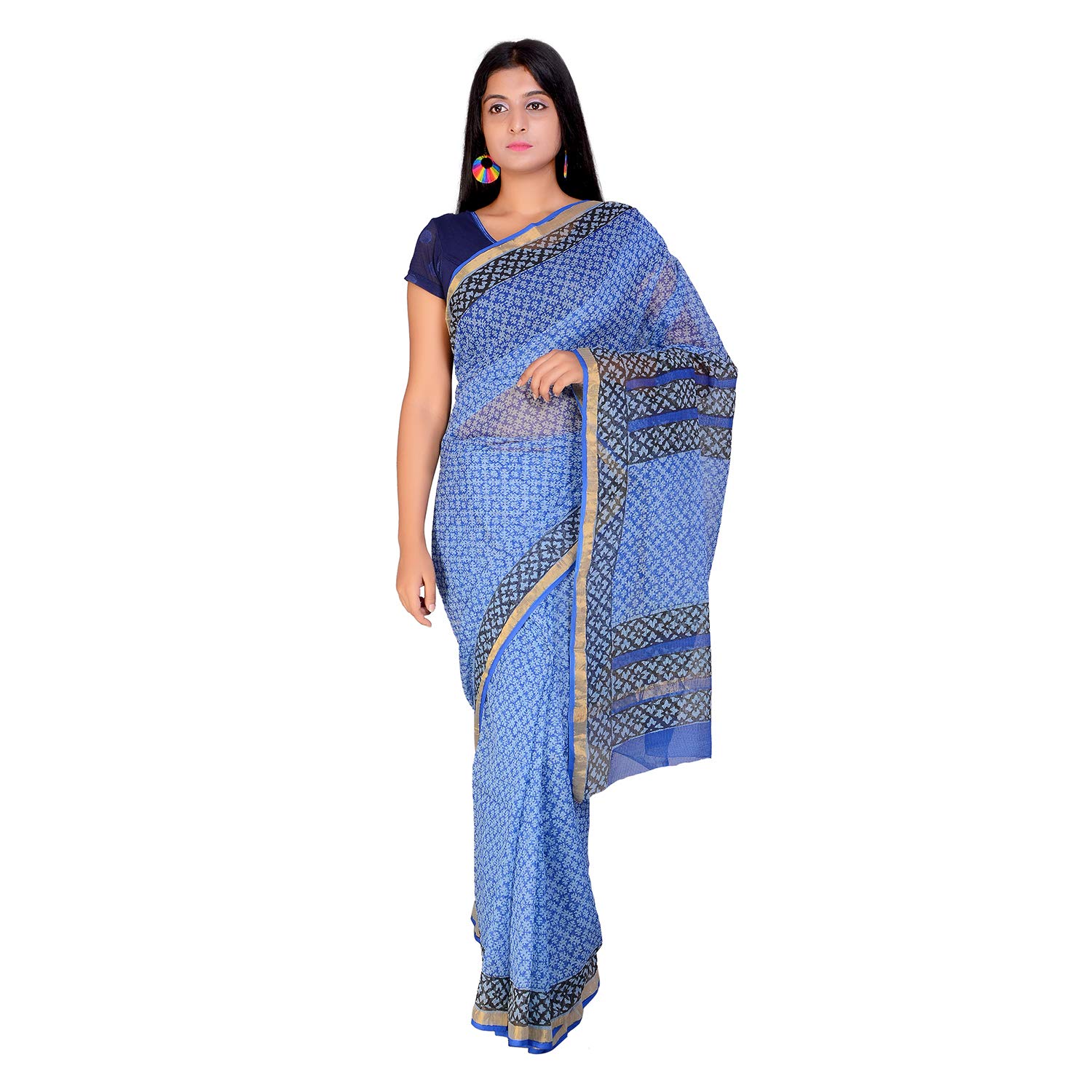
Generalizing cotton similar to a relaxed saree can be a mix-up. Some agile cotton saree material sorts like Kota sarees can be similarly brilliant for parading at a wedding service.
3. Net Sarees
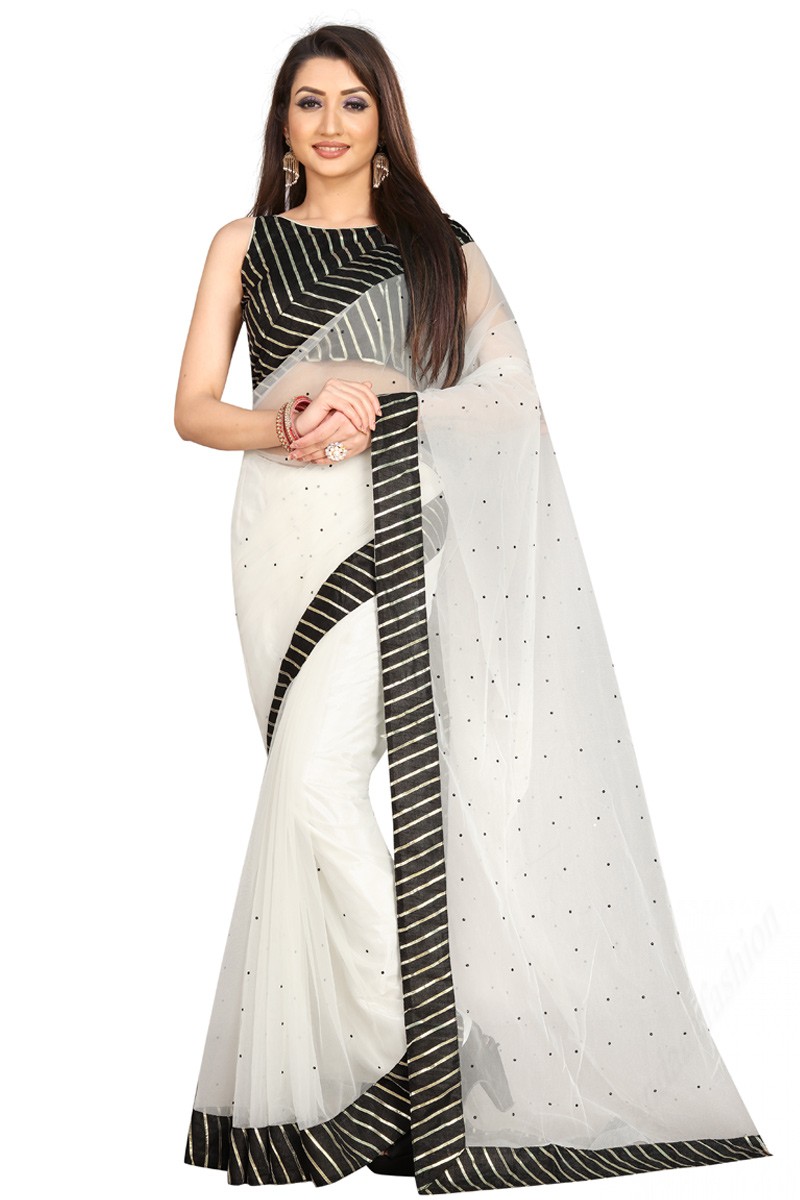
Net sarees supplement the excellence of a lady significantly more than some other material. These sarees fit cozily onto the figure, and commendation the bends, and features the feminineness considerably more. You can convey the agreeable net sarees at all events - weddings, parties, office get-togethers, or some other capacities.
Which Saree Material is Best for Daily Use for Fat Ladies?
Ladies appear to be worried about their figure while wearing a saree. I have seen ladies wearing weighty materials like woolen sarees making them look inelegant and bulkier. You should forgo wearing such erroneously illustrative materials and decide on a prints and saree material to look thin.
- Most lightweight materials like cotton, cloth, chiffon, and georgette are ideal for overweight ladies and give them a thinning impact too.
- Aside from the normal lightweight sarees, the handloom sarees are your best closet companions.
- Dull hued sarees like dim pink, maroon, and earthy colored gives a thinning appeal to your figure.
- Abstain from wearing weighty lined, huge printed, and weighty sarees. All things being equal, quit the sarees with thin lines, stretched and little prints.
Regardless assuming you are cumbersome, thin, tall, or short, sarees are made to add to the beauty of all body types, appearance, and figure. In addition, I feel that sarees are an adventure of elegant hanging.
Assuming you are a specialist draper, you will get to hear a plenty of commendations for a straightforward cotton saree brand. In any case, whenever hung wrongly, even the most costly saree material misses the mark concerning giving you the ideal look and class.
Conclusion
Choosing the right saree for daily wear is all about comfort, practicality, and ease of styling. With so many fabric options available today, it becomes important to pick materials that are lightweight, breathable, and easy to drape. Fabrics like cotton, georgette, chiffon, and crepe strike the perfect balance between style and comfort, making them ideal for everyday use.
The key is to focus on fabrics that allow free movement, hold pleats well, and keep you comfortable throughout the day. Whether you’re heading to work, running errands, or attending casual gatherings, the right saree can make you look elegant without compromising on comfort. By understanding fabric qualities and choosing wisely, you can build a daily saree wardrobe that is both stylish and effortless.
FAQs
1. Which Saree Fabric is Best for Daily Wear?
Cotton is considered the best saree fabric for daily wear due to its breathability and comfort. Other good options include georgette, chiffon, and crepe for a more flowy and lightweight feel.
2. Are Chiffon Sarees Comfortable for Everyday Use?
Yes, chiffon sarees are lightweight and easy to carry, making them comfortable for daily wear. However, they may require careful draping as they are very soft.
3. Can I Wear Silk Sarees Daily?
Heavy silk sarees are not ideal for daily wear, but lightweight silk blends or soft silk sarees can be worn occasionally for a more elegant everyday look.
4. Which Saree is Best for Hot Weather?
Cotton sarees are the best choice for hot weather as they are breathable, absorb sweat, and keep you cool throughout the day.
5. What Type of Saree is Easy to Drape for Beginners?
Georgette and crepe sarees are easy to drape because they are flowy and hold pleats well, making them beginner-friendly options.
6. Are Net Sarees Suitable for Daily Wear?
Net sarees are generally not recommended for daily wear as they are delicate and less practical. They are better suited for parties or special occasions.
7. How do I Choose a Comfortable Saree for Work?
Look for sarees that are lightweight, wrinkle-resistant, and easy to manage. Cotton blends, georgette, and crepe sarees are great options for workwear.