
In this article
**Quick answer:** The **best cricket ball** for most Indian players depends on format: SG and Kookaburra lead serious leather-ball cricket, Cosco and practice synthetics cover nets and schools, while Meerut makers like AVM Paxton, Acorn, Tima and Aver fill club and gully budgets. Match leather grade, seam and price to your pitch—not brand hype alone.
Looking for the best cricket ball without wasting money on the wrong leather? India’s cricket-ball market spans Match/Test leather, club reds, tennis-style practice balls and fluorescent training options. This guide ranks ten widely sold cricket ball brands in India, with INR bands to [VERIFY], use-cases, and where to buy.
| Rank | Brand | Best For | Price Range (INR) | Founded / HQ | Where to Buy |
|---|---|---|---|---|---|
| 1 | SG | Match & club leather balls | [VERIFY] ~₹300–₹2,500+ (single/packs) | Meerut, India | Sports stores, e-comm |
| 2 | Kookaburra | Premium / white-ball formats | [VERIFY] premium singles & bulk | Australia; India retail | Pro shops, e-comm |
| 3 | Cosco | Practice & multi-sport value | [VERIFY] boxes ~₹700–₹1,000+ | India | Sports dealers, online |
| 4 | DSC | Durable club/practice leather | [VERIFY] mid | India (export-focused) | Sports retail, e-comm |
| 5 | Spartan | Club/league leather ranges | [VERIFY] mid | [VERIFY] | Sports stores |
| 6 | AVM Paxton | Practice & training leather | [VERIFY] value–mid | India | Meerut dealers, online |
| 7 | And Sports / HRS | Budget leather practice | [VERIFY] ~₹260–₹1,150 | Meerut, India | Local sports markets |
| 8 | Acorn | Hard school/gully leather | [VERIFY] ~₹135–₹250/ball | India | Local + online |
| 9 | Tima | School & tournament value | [VERIFY] value packs | India | Sports shops |
| 10 | Aver | Training packs / bulk | [VERIFY] packs ~₹2,400/12 | Meerut, India | Meerut market, dealers |
How we chose the best cricket ball brands
- India availability — easy to find in sports shops or major e-commerce.
- Use-case clarity — match, club, school, nets or gully.
- Construction signals — leather vs synthetic, seam type, claimed durability (no invented awards).
- Price realism — bands marked [VERIFY] because MRP shifts by city and sale.
- Player level fit — beginner nets vs serious leather cricket.
Secondary queries covered below: best ball company, cricket ball brands, cricket ball name in India, what cricket ball is used in India, ball brand names.
1. SG — India’s go-to leather cricket ball brand
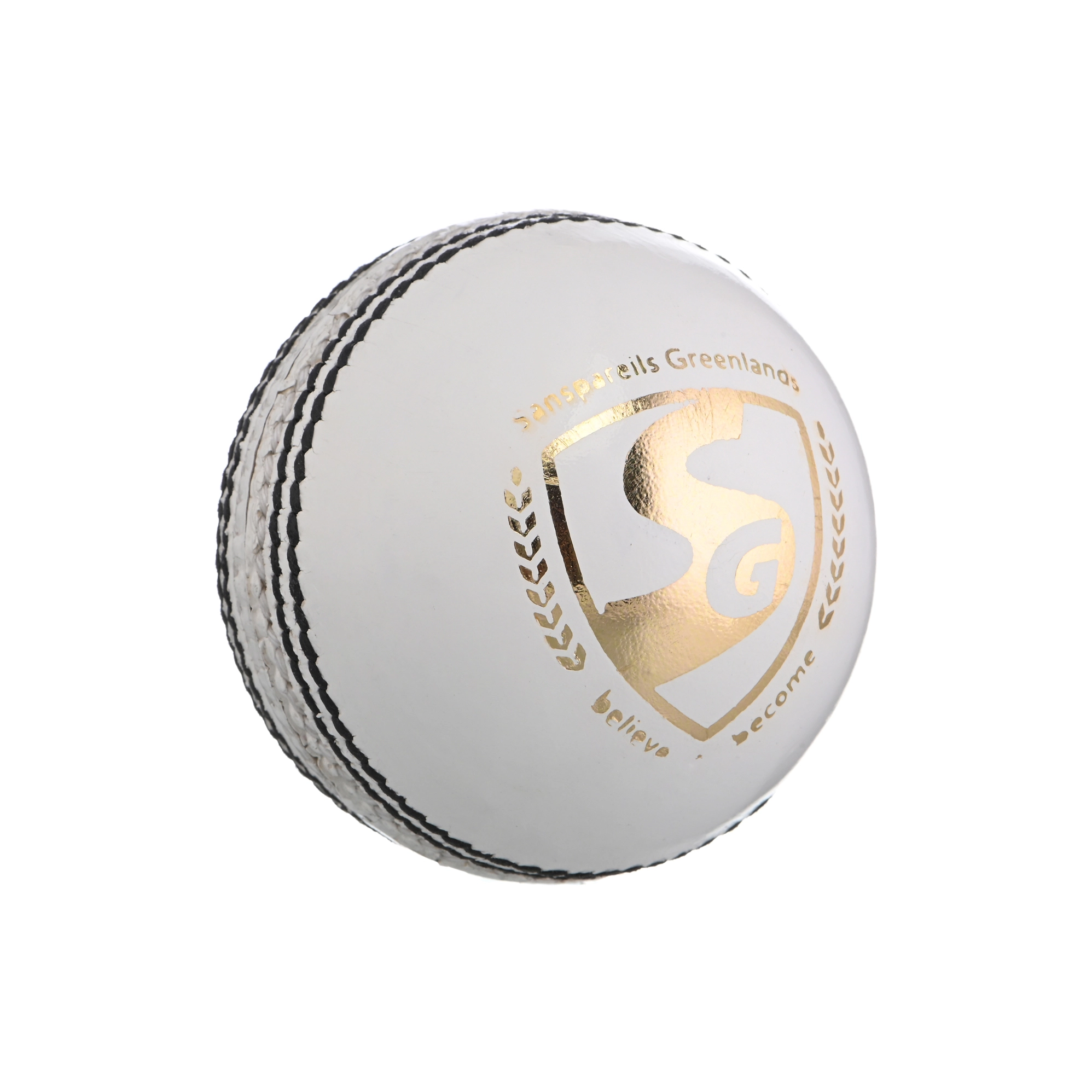
SG (Sanspareils Greenlands) is the name most Indian coaches reach for when players ask for a serious best cricket ball. The brand is synonymous with red leather match and club balls used across academies and domestic setups.
What stands out: Strong India-first leather range, familiar seam feel for subcontinent pitches, and pack options for academies.
Who it suits: Club cricketers, coaches and academies buying reliable reds.
Pro: Trusted Indian leather-ball identity for serious practice and matches.
Con: Premium match grades cost more than school synthetics—don’t overbuy for nets.
Price (INR): [VERIFY] singles often near mid hundreds; multi-packs higher.
Where to buy: Sports specialty stores and major e-commerce.
Buying tip: Confirm “match” vs “practice” grade on the box before you pay match prices for net-only use.
2. Kookaburra — premium international leather feel
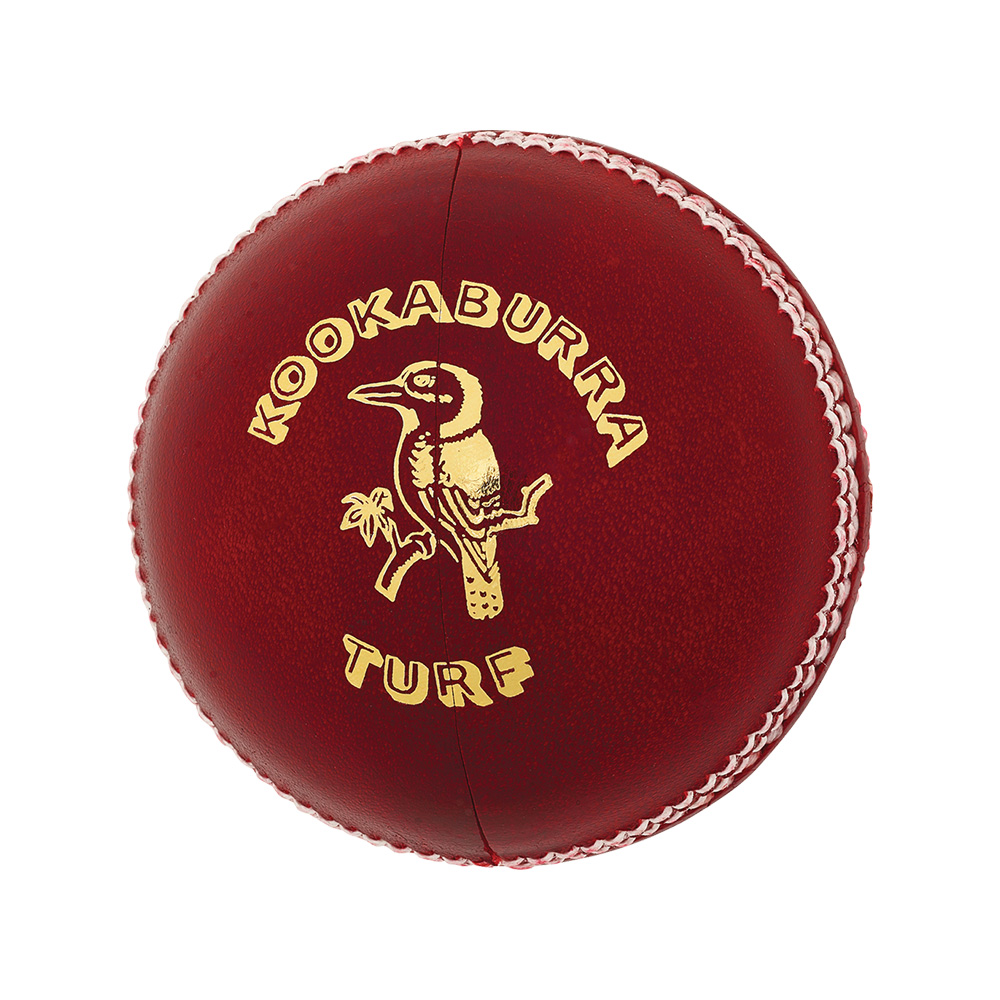
Kookaburra is the global brand many fans associate with white-ball cricket and premium leather. In India it sits at the upper end of retail for players who want that international cricket ball brand feel.
What stands out: Fine leather reputation, white/red options depending on SKU, durability messaging for longer spells.
Who it suits: Serious players and academies comparing premium imports/local stock.
Pro: Prestige and consistency expectations at the top end.
Con: Pricey vs Meerut value leather—[VERIFY] current MRP before bulk orders.
Price (INR): [VERIFY] premium; bulk academy packs higher.
Where to buy: Pro cricket shops and online sports sellers.
3. Cosco — practice volume and multi-sport value
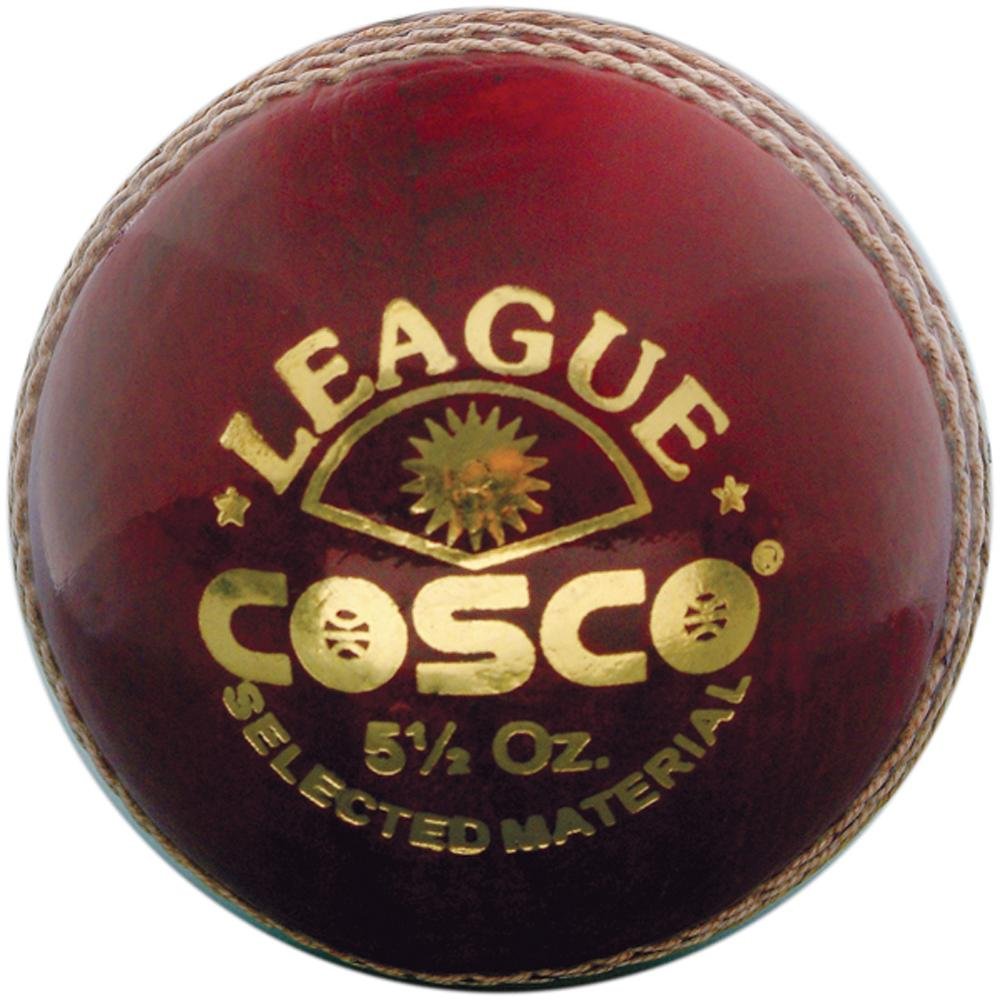
Cosco is a long-running Indian sports goods name for tennis-style and practice cricket balls sold in boxes—ideal when “best ball company” really means affordable nets volume.
What stands out: Box pricing, fluorescent/practice options, wide dealer network.
Who it suits: Schools, societies and backyard nets.
Pro: Cost-per-ball for high-volume hitting.
Con: Not a substitute for match red leather.
Price (INR): [VERIFY] boxes often near ~₹780 for 12 (historical listing—confirm live).
Where to buy: Local sports dealers and marketplaces.
For other sports gear shopping on the same trip, pair ball research with our <a href="https://pumky.in/top-10-best-football-brands-in-india">top football brands in India</a> guide.
4. DSC — durable club and practice leather
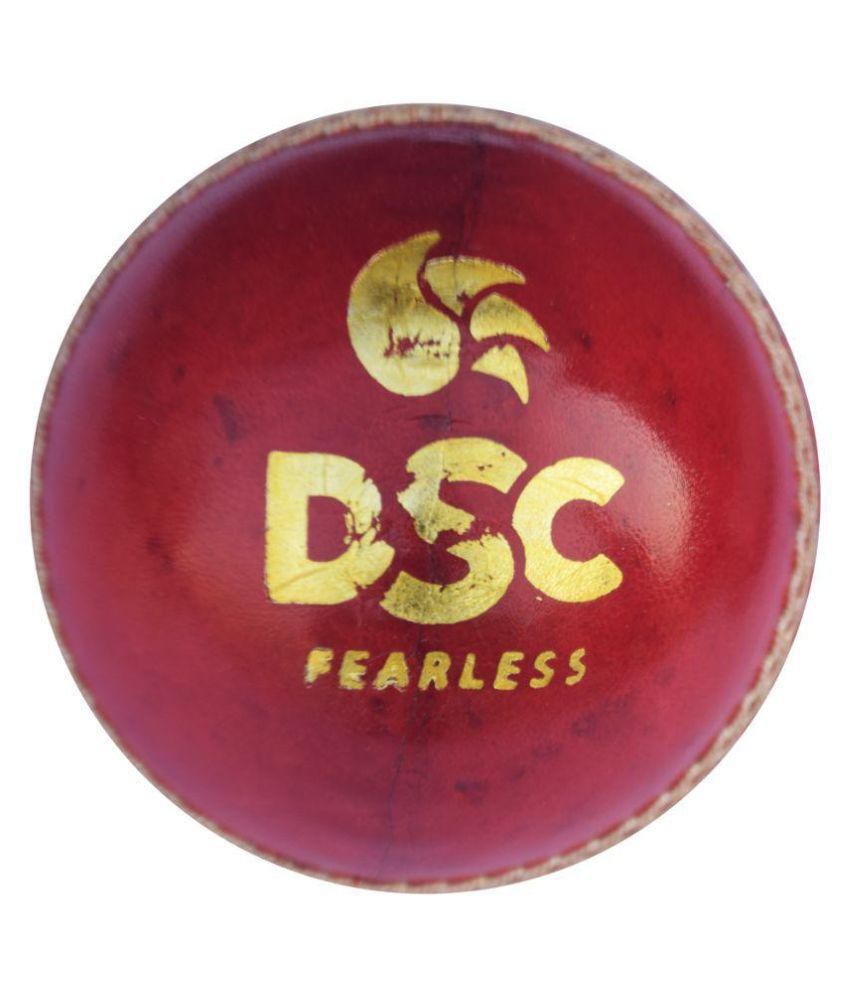
DSC has deep roots in Indian cricket equipment manufacturing and exports, with balls aimed at durable club and practice use.
What stands out: Leather construction focus and broader gear ecosystem (bats/pads elsewhere).
Who it suits: Clubs wanting mid-priced leather that survives nets better than toy balls.
Pro: Serious-equipment brand perception.
Con: Model naming varies—read weight/grade labels carefully.
Price (INR): [VERIFY] mid band.
Where to buy: Sports retail and e-comm.
5. Spartan Sports — club and league leather ranges
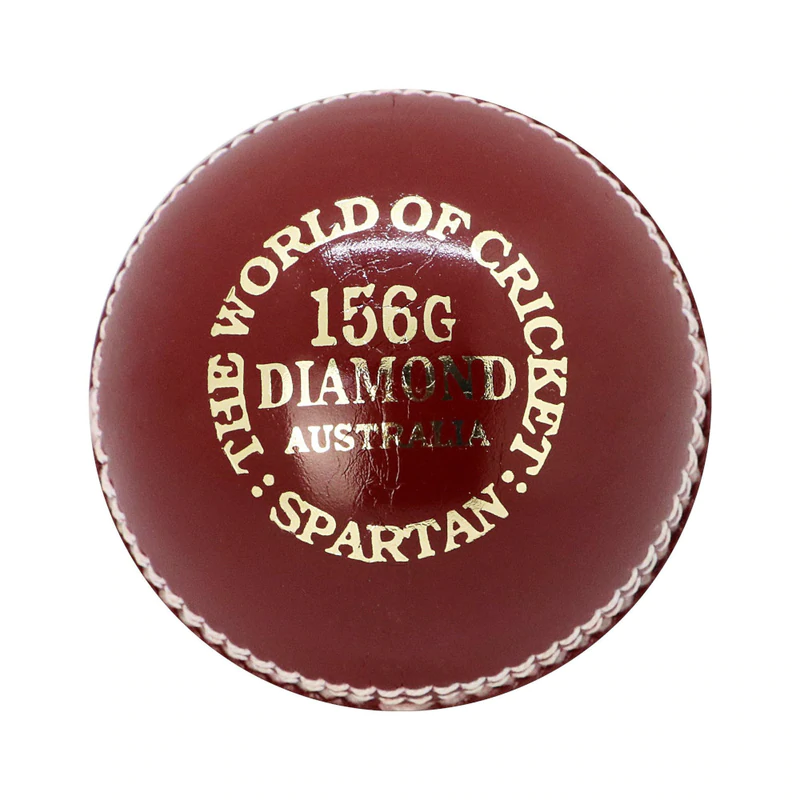
Spartan lists leather categories such as test, club, county and league styles in market listings—useful when comparing cricket ball brands by intended level.
What stands out: Named tiers that map roughly to intensity of play.
Who it suits: League teams standardising one ball type.
Pro: Clearer “which level” shopping language.
Con: Tier names are marketing—still inspect seam and leather quality in hand.
Price (INR): [VERIFY] mid.
Where to buy: Sports stores stocking Spartan.
6. AVM Paxton — training leather from India makers
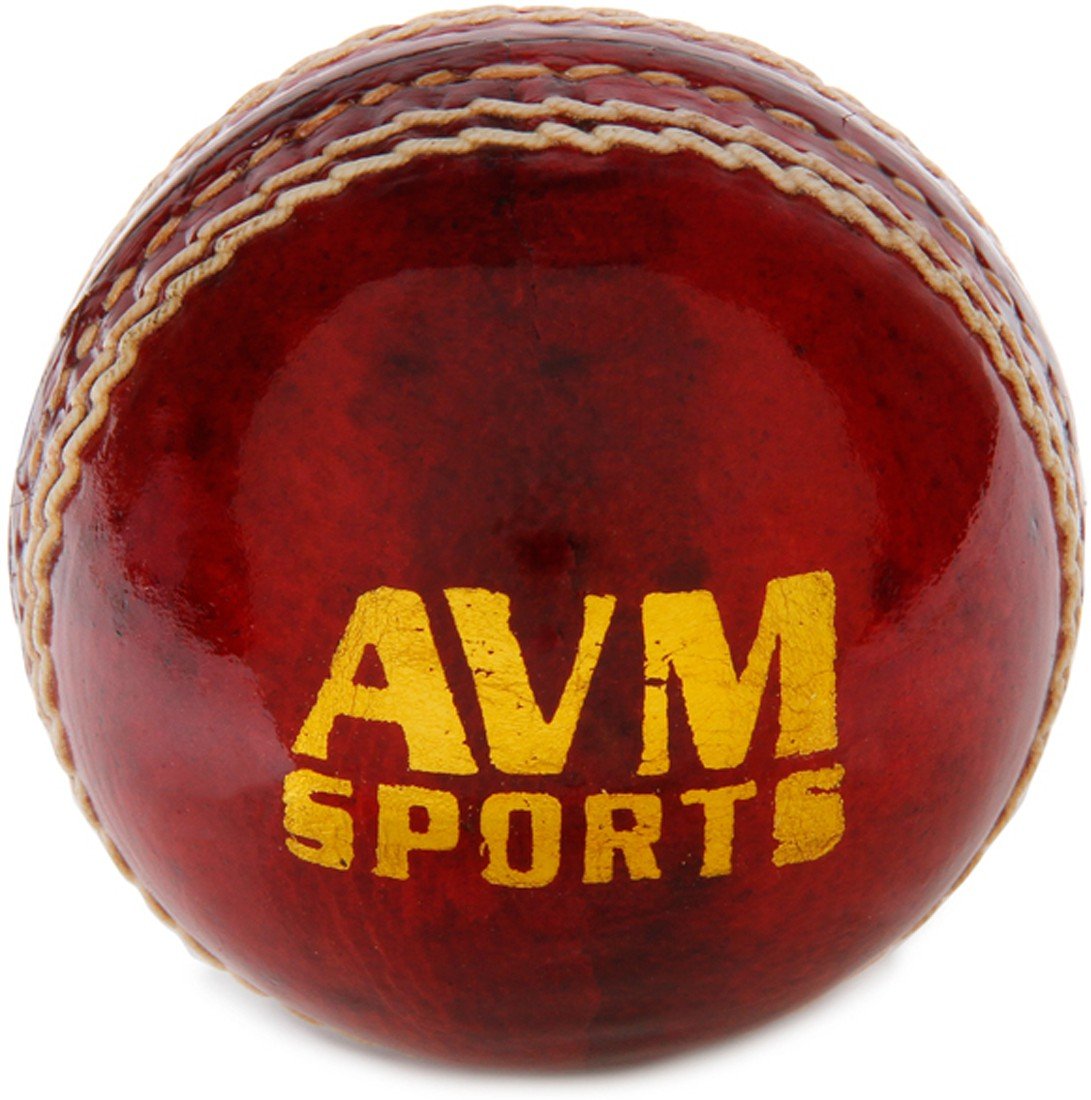
AVM Paxton is frequently listed among Indian cricket ball manufacturers for lightweight, practice-friendly leather pieces.
What stands out: Training-oriented feel and Meerut manufacturing ecosystem pricing.
Who it suits: Academies rotating high volumes of throwdowns.
Pro: Value leather vs premium imports.
Con: Specs vary by batch—[VERIFY] weight and stitching before bulk.
Price (INR): [VERIFY] value to mid.
Where to buy: Meerut dealers and online sports listings.
7. And Sports / HRS — budget leather for practice
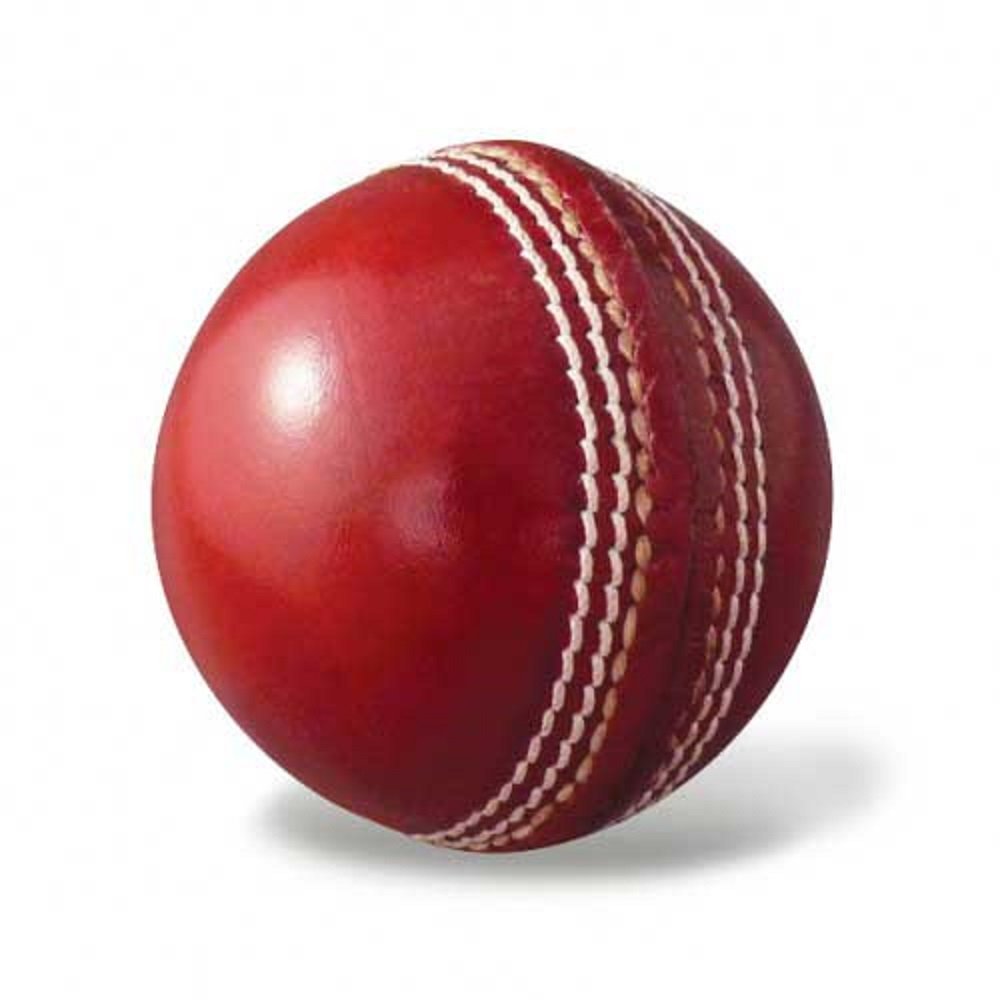
Meerut-based makers (often listed as And Sports / HRS lines) sell abrasion-resistant, hand-stitched practice leather at accessible prices.
What stands out: Local manufacturing price power; linen stitching claims on many SKUs.
Who it suits: Budget academies and college teams.
Pro: Low entry cost for leather feel.
Con: Quality consistency needs in-person checks.
Price (INR): [VERIFY] roughly ₹260–₹1,150 depending on grade (historical ranges).
Where to buy: Meerut sports markets and regional dealers.
8. Acorn — hard school and gully leather
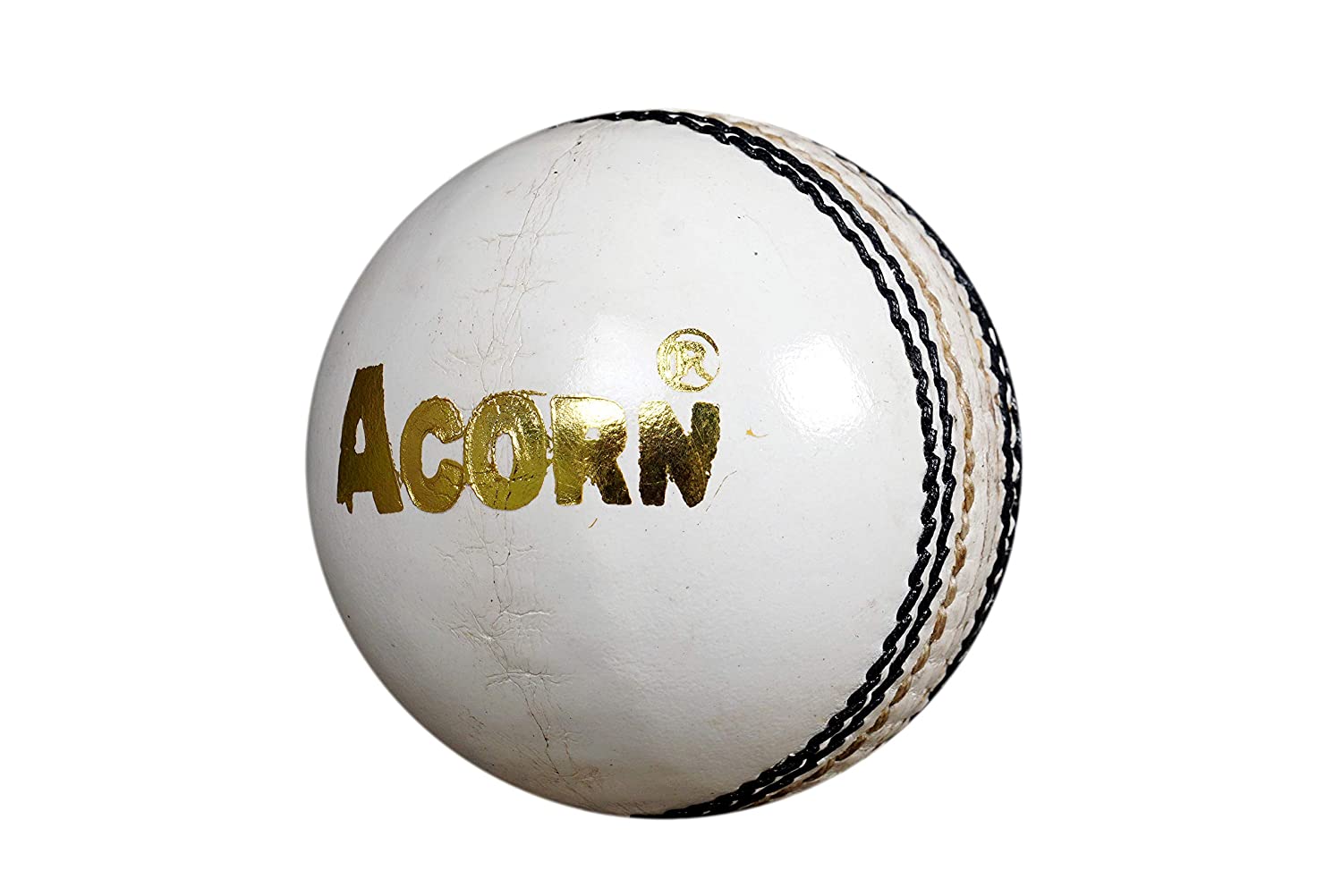
Acorn markets hard, durable leather balls popular in school and gully settings where bounce and toughness matter more than elite match polish.
What stands out: Hardness/durability positioning and low per-ball prices.
Who it suits: School kits and street cricket that still wants leather.
Pro: Affordable leather practice.
Con: “Hardest” claims are relative—match to player age and safety.
Price (INR): [VERIFY] ~₹135–₹250 per ball historically.
Where to buy: Local sports shops and online.
9. Tima — school and tournament value balls
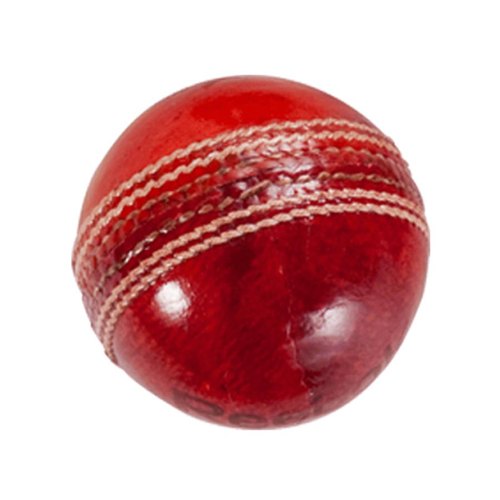
Tima (often listed as Tima/Tina in older copy) is a common Indian cricket ball name for school cricket and local tournaments needing leather with treated cores.
What stands out: Value leather casing and bounce-oriented construction claims.
Who it suits: School coaches buying class sets.
Pro: Accessible tournament packing.
Con: Brand spelling/listings vary—confirm seller reputation.
Price (INR): [VERIFY] value packs.
Where to buy: Sports shops India-wide.
10. Aver — bulk training packs from Meerut
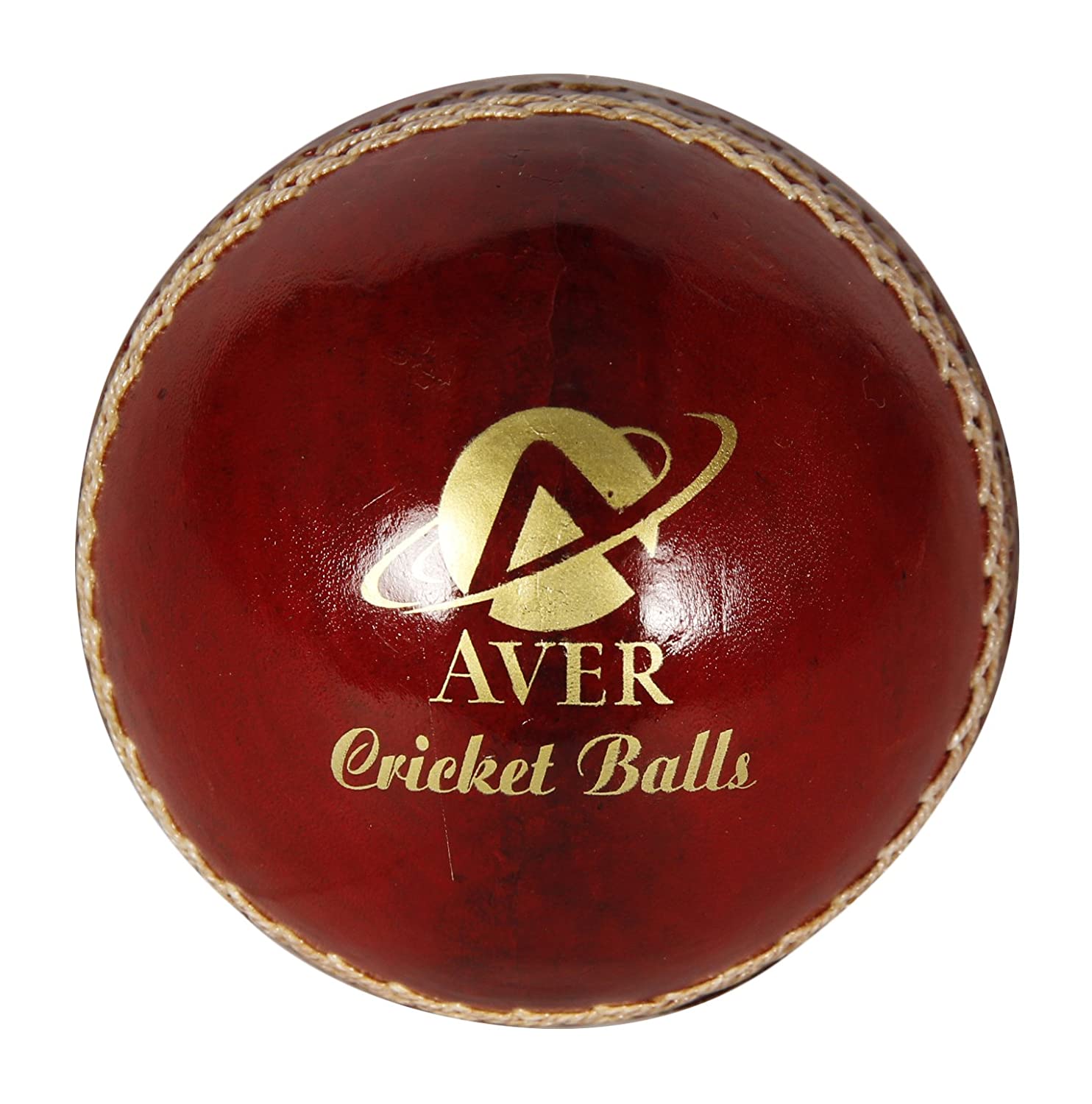
Aver is a Meerut market name for leather training balls sold in multi-packs for beginners through club practice.
What stands out: Pack economics for academies.
Who it suits: Coaches buying by the dozen.
Pro: Bulk pricing clarity when listed.
Con: Inspect each ball—bulk can hide uneven seams.
Price (INR): [VERIFY] packs around ₹2,400 for 12 (historical listing).
Where to buy: Meerut dealers and sports wholesalers.
What cricket ball is used in India?
There is no single official retail ball for every match. Indian domestic and academy cricket commonly uses SG red leather for serious formats; white balls (including Kookaburra-type products where specified) appear in limited-overs contexts. Schools and nets often switch to Cosco-style practice balls or cheaper Meerut leather. Always follow your tournament’s stated brand/grade.
Best cricket ball by use-case
- Match / serious club: SG first; Kookaburra when budget and rules allow premium.
- Academy nets: Cosco boxes or value Meerut leather (AVM, Acorn, Aver).
- School kits: Tima/Acorn class—prioritise safety and budget.
- Gully leather feel: Acorn/And Sports value reds—wear eye protection norms for hard balls.
Hydration and recovery sit next to kit bags—see <a href="https://pumky.in/top-10-best-energy-drink-brands-in-india">energy drink brands in India</a> if you stock team coolers (informational only; not a performance claim). Traveling teams comparing stay options can skim <a href="https://pumky.in/top-10-best-hotel-brands-in-india">popular Indian hotel brands</a> when booking tournament trips.
Ball brand vs other “ball” searches
Shoppers also search “ball brand” for pens or footballs. Keep categories separate: cricket leather here, writing tools in our <a href="https://pumky.in/top-10-best-ball-pens-brands-in-india">best ball pen brands in India</a> list, and creative kits via <a href="https://pumky.in/top-10-best-paintbrush-brands-in-india">paintbrush brands for artists</a> if you are shopping school supplies in one trip.
Buying checklist for the best cricket ball
- Confirm red vs white vs practice/synthetic.
- Check weight marking and seam height with your fingers.
- Ask whether the ball is match-grade or net-grade.
- Budget for multiple balls—leather softens and scuffs.
- Prefer sellers with easy replacements for manufacturing defects.
Mark every rupee figure [VERIFY] against today’s tag; sports MRP moves with season and city.
FAQ
What cricket ball is used in India?
Serious Indian club and many academy matches commonly use SG red leather balls; limited-overs setups may specify white balls (including Kookaburra-type products where rules say so). Schools and nets often use Cosco-style practice balls or cheaper Meerut leather. Always follow your tournament circular.
Which cricket ball is used in India for practice?
Practice usually means Cosco boxes, tennis-style cricket balls, or value leather from Meerut makers (AVM, Acorn, Aver, And Sports). Save premium match SG/Kookaburra for games when possible.
Which is the best cricket ball brand in India?
For most serious players, SG is the default Indian leather answer; Kookaburra leads premium/international comparisons. “Best” still means best for your format, pitch and budget.
What is the best ball company for school cricket?
Cosco, Tima and Acorn-style value options dominate school kits. Prioritise safety, pack price and coach familiarity over prestige logos.
How do I choose between leather and synthetic cricket balls?
Use leather for match-like seam and swing practice; use synthetic/tennis-style for high-volume nets and younger beginners. Mixing both in an academy bag is normal.
Are Meerut cricket ball brands trustworthy?
Meerut is India’s classic manufacturing hub for cricket goods. Trust improves when you inspect stitching, buy from known dealers and avoid unrealistically cheap “match” claims.
How many cricket balls should a club buy?
Plan multiple match balls plus a larger net stock. Leather wears; one hero ball is never enough for a season.